What is EPS in Stocks? Meaning, Formula & Importance in Investing
Published: 4 min read

What is EPS in the stock market? Formula, Types & How to Analyze Earnings Per Share Like a Pro
What is EPS in the stock market? A Simple Explanation
If you want to understand how profitable a company really is, EPS is one of the first metrics you should look at.
So, what is EPS in stocks?
EPS, or Earnings Per Share, tells you how much profit a company generates for each share it has issued. It simplifies complex financial data into a number that investors can easily compare.
In simple terms, the eps meaning in the stock market is this:
How much money is the company making for every share you own?
This is why EPS is widely used by both beginners and experienced investors.
EPS Formula: How It Is Calculated
To understand EPS properly, you need to know how it’s calculated.
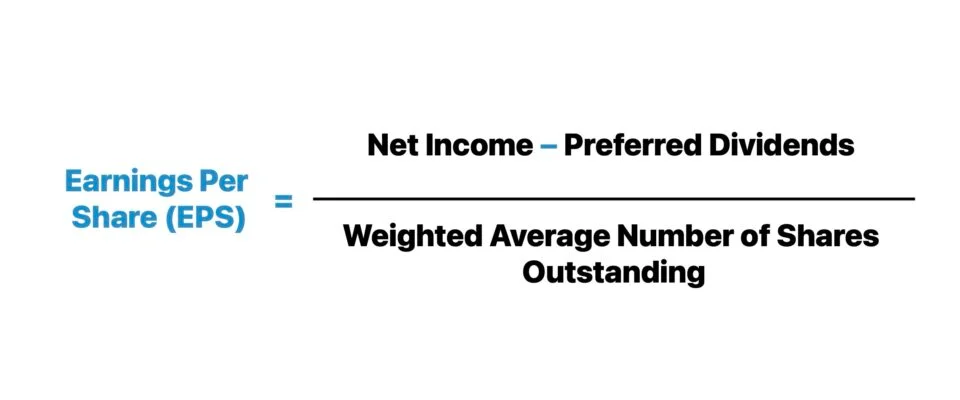
Breaking It Down
● Net Profit: Total earnings of the company
● Preference Dividends: Paid to preferred shareholders
● Outstanding Shares: Total number of shares in the market
This formula gives a clear picture of how much profit is available for equity shareholders.
Types of EPS You Should Know
Understanding the types of EPS is important for deeper analysis.
1. Basic EPS
This is the simplest form. It uses the current number of outstanding shares.
2. Diluted EPS
Diluted EPS considers all possible shares, including:
● Convertible securities
● Stock options
● Warrants
This gives a more realistic view of earnings.
3. Trailing EPS
Based on past earnings, usually the last 12 months.
4. Forward EPS
Based on future earnings estimates.
Each type helps investors analyze companies differently depending on their strategy.
Importance of EPS in Investing
The importance of eps in investing cannot be ignored. It is one of the most widely used indicators in stock analysis.
1. Measures Profitability
EPS tells you how efficiently a company is generating profit.
2. Helps in Comparing Companies
Investors often compare the EPS of companies in the same sector.
3. Basis for Valuation Ratios
EPS is used in calculating the P/E ratio, which helps determine whether a stock is overvalued or undervalued.
4. Indicates Growth
Consistent EPS growth often signals a strong business.
This is why experienced investors rarely ignore EPS while making decisions.
How to Analyze EPS Like a Pro
Knowing the formula is not enough. The real skill lies in analysis.
1. Look at EPS Growth
Check whether EPS is increasing consistently over time.
2. Compare with Industry
Compare EPS with competitors to understand relative performance.
3. Combine with Other Metrics
EPS alone is not enough. Use it with:
● Revenue growth
● Profit margins
● Debt levels
4. Watch for One-Time Gains
Sometimes EPS increases due to non-recurring income. Always verify the source.
This approach helps you move beyond basic understanding into real analysis.
EPS in Unlisted Shares and Pre-IPO Investments
Many investors think EPS is only useful for listed companies. That’s not true.
Even when dealing with unlisted shares or pre ipo shares, EPS plays a crucial role.
Why It Matters
● Helps estimate fair valuation
● Indicates financial strength before IPO
● Supports decision-making in private markets
For example, when evaluating pre ipo shares, a strong EPS can signal that the company is financially healthy and ready for listing.
Common Mistakes Investors Make with EPS
Even though EPS is simple, it is often misunderstood.
1. Ignoring Dilution
Not considering diluted EPS can lead to overestimation of profitability.
2. Looking at EPS in Isolation
EPS should always be analyzed with other financial metrics.
3. Falling for High EPS Without Context
A high EPS does not always mean a good investment. It could be temporary.
Avoiding these mistakes can significantly improve your investment decisions.
Practical Insights Before You Use EPS
Before relying on EPS, keep these points in mind:
● Focus on consistency, not just high numbers
● Compare EPS across time periods
● Use it along with valuation ratios
● Apply it even when analyzing unlisted shares
The real value of EPS comes from how you interpret it, not just how you calculate it.
FAQs
1. What is EPS in stocks?
EPS represents the profit earned per share of a company.
2. What does EPS mean in the stock market?
It shows how much profit a company generates for each outstanding share.
3. Why is EPS important in investing?
The importance of eps in investing lies in measuring profitability and comparing companies.
4. Can EPS be used for pre IPO shares?
Yes, EPS is useful for evaluating pre ipo shares and unlisted shares before investing.
5. What is a good EPS?
A good EPS depends on the industry and the company's growth. Consistent growth is more important than a high number.
Disclaimer
This content is for informational purposes only and should not be considered financial advice. Investments in stocks, unlisted shares, and pre ipo shares involve risks. Always consult a financial advisor before making investment decisions.