What Is an IPO in the Stock Market? Process, Risks & How IPO Works
Published: 5 min read
What Is an IPO in the Stock Market?
If you follow financial news in India, you’ve probably noticed how much attention IPOs receive. Whenever a well-known company announces its public issue, the conversation quickly spreads across business media, investor communities, and social platforms.
But for many new investors, the first question is simple: what is an IPO in the stock market?
An IPO, or Initial Public Offering, is the process through which a company offers its shares to the public for the first time. Until that point, the business is privately owned by founders, early investors, and sometimes venture capital firms.
Once the IPO takes place and the company is listed on the exchange, its shares become available for anyone to buy or sell in the stock market.
This transition from a privately owned company to a publicly traded one is commonly described as going public.
What Is an Initial Public Offering IPO?
To understand what is an initial public offering IPO, it helps to look at the reason companies take this step.
Businesses often reach a stage where they need significant capital to expand. That expansion could mean opening new facilities, investing in technology, entering international markets, or reducing existing debt.
Rather than relying only on private investors, companies sometimes decide to raise funds directly from the public.
This is where the IPO process begins.
Through the public offering, investors are invited to buy shares in the company. In return, the company receives capital that can support its growth plans.
Once the IPO is completed and shares start trading on the exchange, the company becomes part of the broader public market.
What Is an IPO Company?
Another term investors often hear is IPO company.
In simple terms, an IPO company is a business that is preparing to launch its public offering or has recently gone public.
Before the IPO stage, many companies already have investors backing them. These investors may include venture capital firms, private equity funds, or strategic partners.
The IPO allows some of these early investors to partially exit their holdings while also bringing new investors into the business.
At the same time, the company benefits by gaining access to a larger pool of capital.
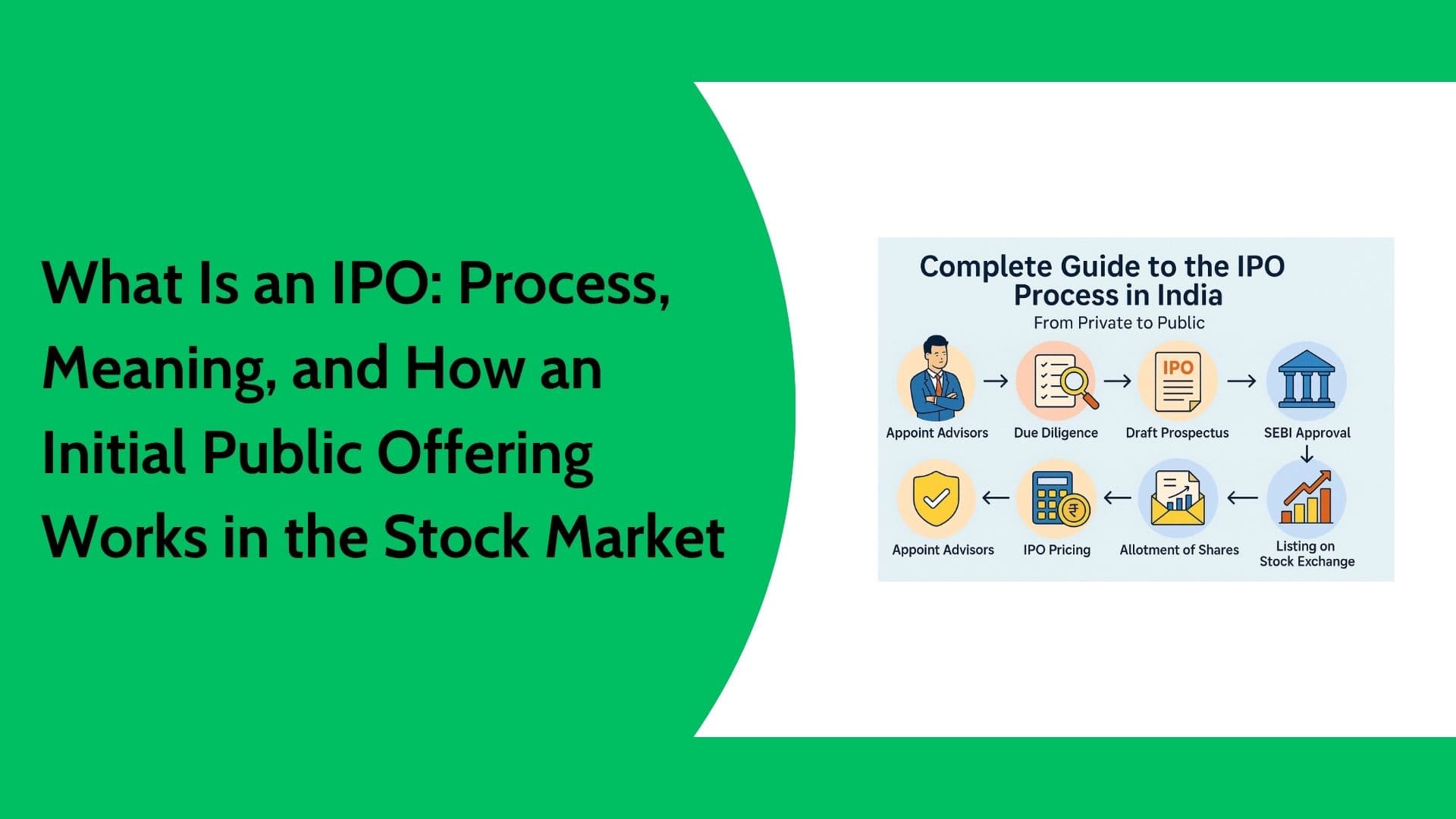
How the IPO Process Works
The IPO journey usually begins months before the shares are offered to the public.
First, the company appoints investment banks, often called underwriters. These institutions help structure the offering and determine a suitable price range for the shares.
Next comes regulatory filing. In India, companies must submit detailed financial disclosures and business information to regulators before launching the issue.
After approval, the IPO opens for subscription. During this period, investors can apply for shares through their trading accounts.
Once the subscription window closes, shares are allotted to investors and the company’s stock is listed on the exchange.
From that point onward, the shares trade in the secondary market like any other listed company.
What Happens When an IPO Is Undersubscribed?
Investor demand plays a big role in the success of an IPO. Sometimes the demand is strong and the issue gets oversubscribed multiple times.
However, there are situations where demand falls short.
This leads to a common question: what happens when an IPO is undersubscribed?
An IPO is considered undersubscribed when investors apply for fewer shares than the number offered by the company.
When this happens, the underwriters may purchase the remaining shares themselves to ensure the issue is completed.
In some cases, companies may also reconsider pricing strategies or rely on institutional investors to support the offering.
Undersubscription can sometimes affect market sentiment when the stock begins trading.
What Is the Risk of Investing in an IPO?
IPOs often attract attention because they allow investors to participate in companies at an early stage of their public market journey.
However, investors should also understand what is the risk of investing in an IPO.
One of the biggest risks is limited historical market performance. Since the company has just entered the stock market, there is little data on how the stock behaves in public trading.
Valuation is another factor. If the IPO price is set aggressively, the stock may struggle to maintain that valuation once trading begins.
Market conditions also matter. Even strong companies can see weak listing performance if broader market sentiment is negative.
Because of these uncertainties, many investors carefully analyze company fundamentals before applying for an IPO.
Some also monitor companies earlier in their lifecycle through markets that deal with Unlisted Shares, where businesses remain privately held before potentially launching a public issue.
Why IPOs Continue to Attract Investors
Despite the risks, IPOs remain one of the most closely watched events in financial markets.
For investors, they represent the opportunity to participate in a company’s growth story from the beginning of its public journey.
Some IPOs go on to become long-term success stories, while others struggle to meet expectations.
For this reason, experienced investors usually combine research, patience, and diversification when evaluating IPO opportunities.
Understanding how IPOs work can also help investors better interpret market trends and company valuations.
FAQs
What is an IPO in the stock market?
An IPO is the process through which a private company offers its shares to the public for the first time and becomes listed on a stock exchange.
What is an initial public offering IPO?
An initial public offering is when a company raises capital by selling shares to public investors through the stock market.
What is an IPO company?
An IPO company is a business preparing to go public or one that has recently launched its public offering.
What happens when an IPO is undersubscribed?
When an IPO is undersubscribed, investor demand is lower than the shares offered. Underwriters may step in to purchase the remaining shares.
What is the risk of investing in an IPO?
IPO investments involve risks such as uncertain market performance, valuation concerns, and changing market conditions.
Disclaimer
This article is for informational purposes only and should not be considered financial advice. Investors should conduct independent research or consult financial professionals before investing in IPOs, stocks, or Unlisted Shares.