Unlisted Shares Explained: How They Work Before a Company Gets Listed
Published: 5 min read
Unlisted Shares: What Investors Should Know Before a Company Lists
When people first start learning about investing, they usually begin with listed stocks. They open a trading account, buy shares from the exchange, and watch prices move every day.
But not all shares exist on stock exchanges.
Some companies issue shares that are still outside the public market. These are called unlisted shares. They belong to companies that have not yet listed on exchanges like NSE or BSE.
For investors who are curious about opportunities before an IPO, these shares often become an interesting area to explore.
Understanding Unlisted Shares in Simple Terms
At its core, the idea is straightforward.
Unlisted shares represent ownership in a company that is not publicly traded yet. The company might still be privately held, or it might be preparing to go public in the future.
Because these shares are not available on stock exchanges, they are usually traded privately between investors.
Anyone studying stock market basics eventually comes across this concept. It’s essentially a part of the equity market that operates outside the regular exchange system.
What Are Pre-IPO Shares?
The term pre-IPO shares simply refers to shares purchased before a company launches its IPO.
When a company plans to go public, some investors try to buy shares earlier in the private market. The expectation is that the company’s valuation could increase once it lists on the exchange.
This is why pre-IPO shares attract attention from investors who want exposure to companies before they reach the broader public market.
However, it’s important to understand that this strategy does not always guarantee profits. Market conditions, company performance, and IPO timing all play a role.
Why Investors Look at Unlisted Shares
There are a few reasons why investors explore unlisted shares instead of sticking only to listed stocks.
One of the biggest reasons is early access.
When investors buy shares before listing, they become part of the company’s journey at an earlier stage. If the company eventually lists at a higher valuation, early investors may benefit.
Another reason is diversification. Some investors like to combine listed stocks with pre-IPO shares to broaden their portfolios.
Still, these investments are usually approached carefully because they are less liquid and less transparent compared to publicly traded companies.
The Role of a Demat Account
Even though these shares are not traded on the stock exchange, they are still held in electronic form.
That means investors need a demat account to store them.
A demat account works as a digital vault for securities. Whether someone holds listed stocks, mutual funds, or unlisted shares, the securities are stored electronically in this account.
After a transaction is completed, the shares are transferred to the investor’s demat account, just like regular listed shares.
Without a demat account, holding equity shares in digital form becomes difficult.
How Investors Buy Unlisted Shares
Unlike listed stocks that can be bought instantly through trading apps, unlisted shares are usually bought through private transactions.
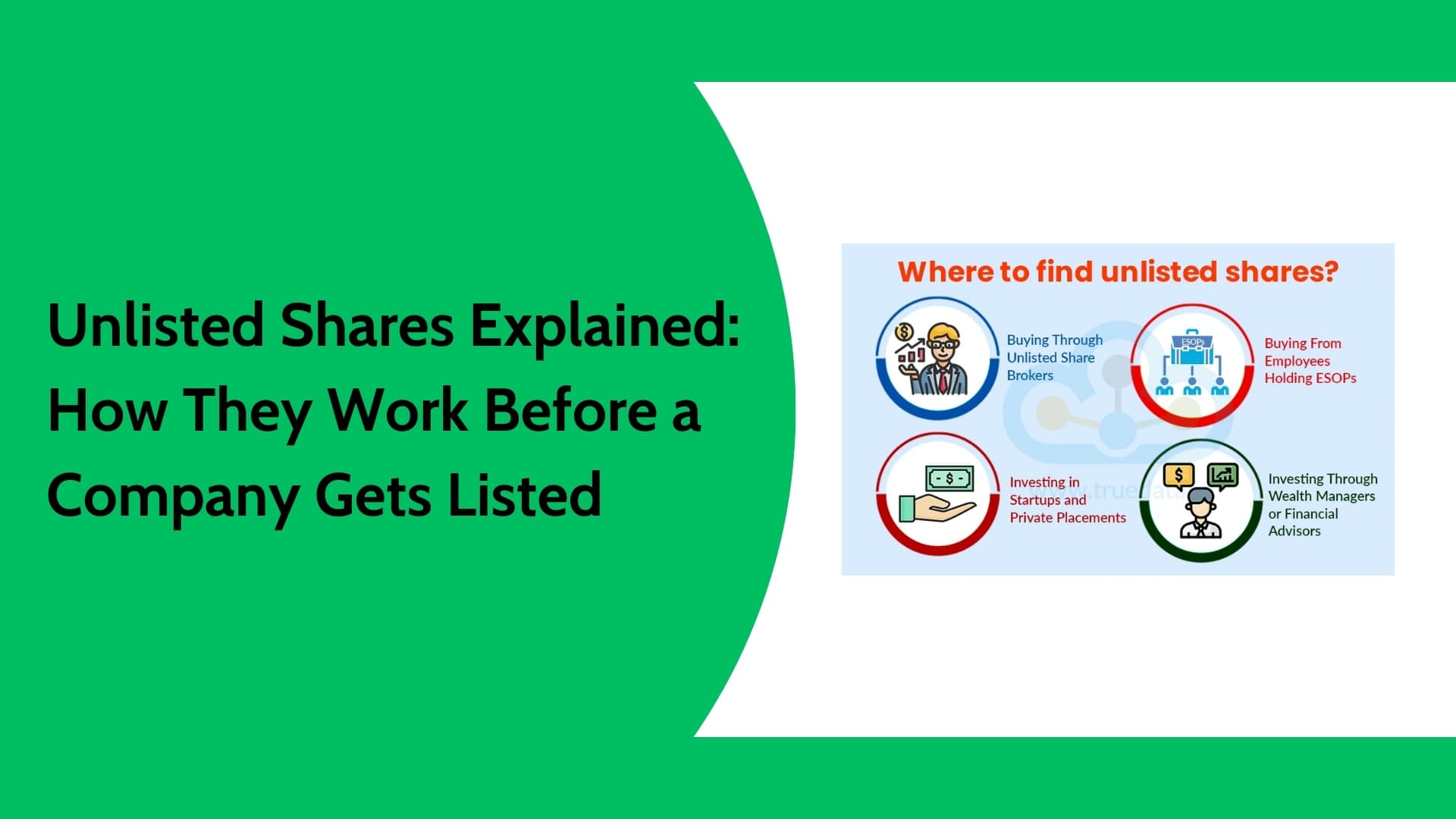
These deals may happen through intermediaries, specialized brokers, or private market platforms that connect buyers and sellers.
A typical process might look like this:
● An investor identifies available pre-IPO shares
● The buyer and seller agree on a price
● Documentation and payment are completed
● Shares are transferred to the buyer’s demat account
Because there is no central exchange, pricing can vary depending on supply and demand.
Risks Investors Should Understand
While unlisted shares sometimes attract attention because of potential listing gains, investors should also understand the risks involved.
One common challenge is liquidity. Unlike listed stocks, these shares cannot always be sold quickly.
Another factor is limited information. Public companies must disclose financial data regularly, but private companies may not share the same level of transparency.
Finally, the IPO timeline itself can be uncertain. A company may delay its listing plans, which means investors might need to hold their shares longer than expected.
This is why a solid understanding of stock market basics becomes important before entering the private market.
What Happens When the Company Finally Lists?
If the company eventually launches an IPO, its shares begin trading on the stock exchange.
At that point, the previously unlisted shares become listed securities.
Investors who purchased pre-IPO shares earlier may choose to sell their holdings after listing or continue holding the stock depending on their strategy.
Sometimes regulators impose a lock-in period, which means certain investors must wait for a specific duration before selling their shares.
Why Investors Should Learn About Unlisted Shares
For many people, the stock market journey starts with listed companies. Over time, investors often become curious about opportunities beyond the exchange.
Understanding unlisted shares gives investors a broader view of how equity markets actually work.
These investments are not suitable for everyone, but they can be part of a diversified portfolio when approached with research and patience.
Anyone interested in pre-IPO shares should begin with strong stock market basics, maintain a properly functioning demat account, and evaluate risks carefully before investing.
FAQs
What are unlisted shares?
Unlisted shares are shares of companies that are not traded on stock exchanges like NSE or BSE.
What are pre-IPO shares?
Pre-IPO shares are shares purchased before a company launches its initial public offering.
Do investors need a demat account for unlisted shares?
Yes, investors need a demat account to hold unlisted shares in electronic form.
Are unlisted shares risky?
Yes, they can involve higher risk due to limited liquidity and lower transparency compared to listed stocks.
Can investors sell unlisted shares?
Yes, but transactions usually happen through private deals rather than stock exchanges.
Disclaimer
This article is intended only for informational purposes and should not be considered financial or investment advice. Investors should conduct their own research or consult a qualified financial advisor before investing in unlisted shares or pre-IPO opportunities.