How to Sell Unlisted Shares in India: Smart Exit Strategies and Valuation Tips
Published: 7 min read
A Complete Guide to Selling Unlisted Shares in India for Maximum Returns
The unlisted share market often feels like a private room where serious investors meet quietly. It operates at a measured pace and rewards those who understand timing, preparation, and strategy. Buying unlisted shares gets you in the door. Knowing how to exit at the right moment is what truly protects your returns.
Across the unlisted space, names like NSE, Groww, and NCDEX have shown how patient investors can benefit from well-structured private investments. These companies attracted attention long before the public markets heard their names. As participation has grown, so has activity in the secondary market, where thousands of investors now trade unlisted shares. With this growth comes the need for clarity on how to plan a profitable exit.
This guide is designed to help you understand the sale process, recognise signals that matter, and position yourself for successful outcomes.
Understanding What Drives Value in Unlisted Shares
Unlike listed stocks, unlisted shares do not move with minute-by-minute trades. Price discovery is slower and shaped by fundamentals, scarcity, sentiment, and milestones such as pre-IPO announcements.
Key factors influencing value:
1. Company fundamentals
Strong revenue growth, improving margins, and controlled debt levels tend to push demand higher. Buyers are willing to pay a premium when the business has a clear path to expansion.
2. Market sentiment
Good news creates confidence. Positive industry updates, financial announcements, or partnerships can all influence pricing.
3. Growing participation
More retail investors are entering the unlisted market. This increased activity often brings competitive buying, which helps sellers secure better exit prices.
Understanding how these forces interact gives you the confidence to judge when the market is leaning in your favour.
Spotting the Right Time to Sell
The difference between an average exit and a strong one often comes down to timing. A well-planned sale aligns your exit with market interest, company performance, and your own financial goals.
Signals to watch:
1. Pre-IPO buzz
When a company prepares for an IPO, demand for its unlisted shares often rises. Investors want exposure before the listing. This period can create attractive exit opportunities, as seen during the build-up to NSE’s potential listing, where prices moved sharply in a short period.
2. Improving financial performance
If a company reports stronger numbers or announces major expansion moves, buyers may enter the market with higher bids.
3. Sector momentum
When an industry is gaining attention, valuations across similar companies generally rise. Selling during sector strength can maximise your exit price.
4. Higher liquidity periods
The unlisted market becomes more active during the festive season, the year-end period, and when broader markets are performing well.
Selling is not only about capturing top prices. It is also about aligning your exit with your financial needs and risk tolerance. Sometimes a steady profit is better than waiting for a perfect peak that may never arrive.
Mastering Valuation: Avoid Leaving Money on the Table
A strong exit starts with understanding what your shares are actually worth. Pricing in the unlisted market is not guesswork. It is a mix of comparison, fundamental, and market reference points.
Here are the most practical valuation methods:
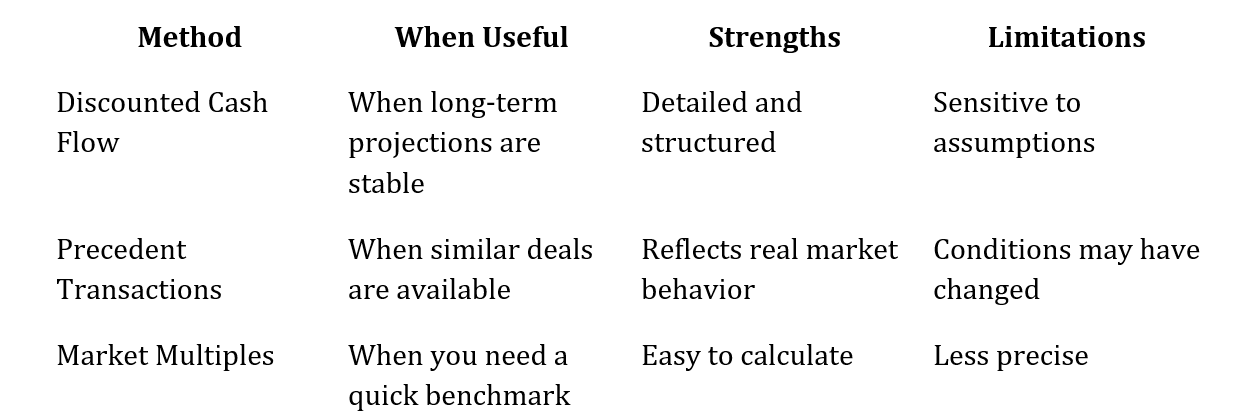
A realistic valuation protects you in negotiations and helps you avoid underselling during high-demand periods.
Why IPO Announcements Matter
Pre-IPO activity is one of the strongest catalysts in the unlisted market. Anticipation alone can attract institutional buyers, analysts, and retail investors.
For example, in the months leading to major IPO news, prices in the secondary market often rise quickly. Investors who sold NSE shares during early 2025 saw rapid price jumps due to financial performance updates and listing expectations.
However, it is essential to remain rational. Not every IPO performs well after listing. Sometimes the best opportunity comes before the company goes public.
Finding Serious Buyers: Where Real Transactions Take Place
Selling unlisted shares is about connecting with genuine buyers who understand value and can complete a transaction smoothly.
Where to find them:
1. Reputed unlisted share platforms
Platform that specialize in private market transactions offer visibility, pricing updates, and access to verified buyers. These are ideal for investors who want a structured approach.
2. Wealth management networks
Family offices, HNI, and institutional investors often seek exposure to private companies. They have the capital to move quickly and negotiate decisively.
3. Personal industry contacts
Connections built over time can open opportunities for reliable secondary sales.
How to identify a serious buyer:
● Asks informed questions
● reviews financials
● negotiates based on data
● confirms payments promptly
● respects timelines
You can often gauge commitment within the first conversation.
Presenting Your Shares Effectively
When selling, clarity is your advantage. Buyers want clean information and verifiable details.
Include:
● company overview
● Key Financial Highlights
● reasons for valuation
● expected catalysts such as IPO plans
● clean records of your purchase
Position your opportunity the same way you would present a strong property listing. Highlight strengths with supporting evidence.
Negotiating Like a Professional
Strong negotiation is not about pushing aggressively. It is about knowing your valuation, understanding demand, and being prepared to walk away.
Here are practical negotiation tips:
● Have your valuation ready and justified
● Seek multiple buyer conversations
● Stay patient during the counteroffers
● Choose certainty over unrealistic premiums.
● Protect your interests with clear documentation
A composed approach usually results in better pricing and a smoother sale.
Documents You Need for a Smooth Transfer
Selling unlisted shares requires certain documents to verify ownership and complete the legal process.
Prepare:
● Original share certificates (if applicable)
● DIS Transfer Slip
● PAN copy
● Bank details for settlement
● Demat details
● Any other company-specific documents
Accuracy matters. Even minor mistakes on forms can delay transfers.
SEBI has introduced several measures to simplify the process, including standardised ISINs for many unlisted companies. Staying updated with these changes improves your transaction speed.
Taxation: Understanding What You Owe
Taxes play a major role in your net return. The rate depends largely on how long you held the shares.
Short-term capital gains
If shares are sold within one year, gains are added to your taxable income.
Long-term capital gains
If held for more than a year, gains are taxed at 20 percent with indexation.
Indexation adjusts your cost to account for inflation, reducing taxable gains.
Good recordkeeping simplifies your tax filing: Purchase price proof
● sale documents
● transfer proofs
● related transaction costs
Planning helps you optimise returns across financial years.
Timing Your Exit: Market Signals That Matter
Selling unlisted shares is as much about intuition as it is about data. Pay attention to:
1. News cycles
Strong financial results or partnerships often trigger higher interest.
2. IPO timelines
The run-up to a listing frequently creates demand.
3. Buyer activity trends
More buy requests usually mean favourable pricing.
4. Seasonal liquidity
The market tends to be more active at certain times of the year.
5. Partial exits
Some investors sell a portion of their holdings early, then decide on the rest once they observe market appetite.
There is no perfect time. What matters is a thoughtful, informed decision.
Your Action Plan for a Smart Exit
Here is a practical sequence you can follow:
1. Prepare your documents early
This avoids delays when buyers are ready.
2. Know your valuation
Use multiple methods for accuracy.
3. Shortlist credible buyers
Choose partners with a history of smooth transactions.
4. Negotiate with clarity
Stay firm on data, not emotion.
5. Finalise documentation carefully
Verify DIS, record transfers, and follow up with the Depository Participant.
6. Review tax obligations
Plan to retain more of your gain.
When done correctly, selling unlisted shares becomes a controlled, strategic process rather than a rushed decision.
FAQs
1. How do I find buyers for unlisted shares in India?
You can sell through trusted platforms, wealth managers, or personal networks. Platforms offer transparency and ease, while private networks often move faster.
2. What documents do I need to sell unlisted shares?
You need the SH-4 form, identity proof, demat details, bank details, and original share certificates if applicable.
3. When is the best time to sell unlisted shares?
Many investors prefer selling during pre-IPO periods, strong financial announcements, or high liquidity phases.
4. How is tax calculated on the sale?
Short-term gains are taxed at your income tax rate. Long-term gains are taxed at 20 percent with indexation.
5. Can I sell only part of my unlisted holdings?
Yes. Partial exits are common and allow investors to secure profits while remaining invested.